

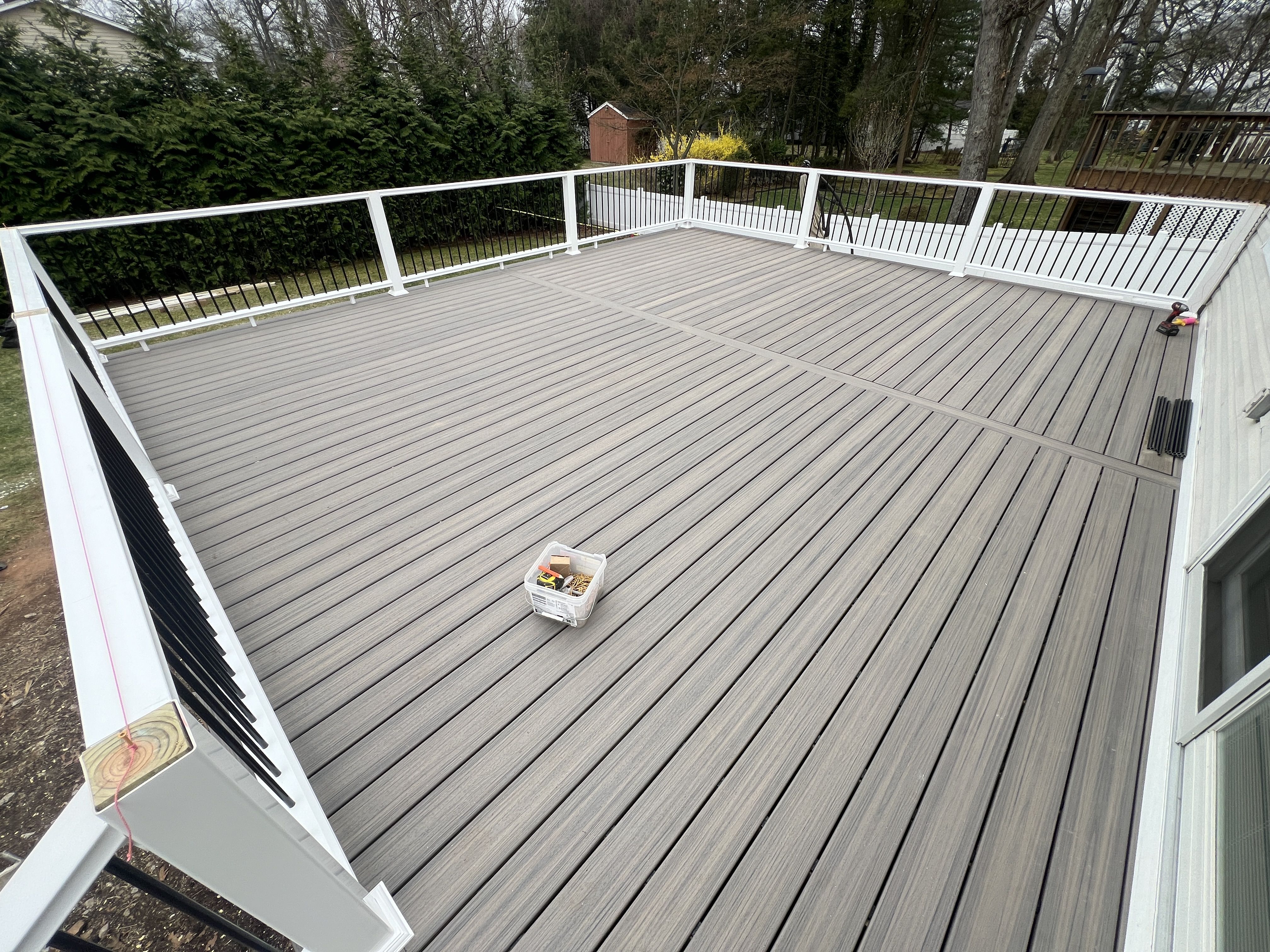
How Freeze-Thaw Cycles Affect Deck Footings and Railings in New Jersey
Why Freeze-Thaw Cycles Are Hard on New Jersey Decks
New Jersey winters are known for fluctuating temperatures. It is common for the temperature to rise above freezing during the day and drop below freezing at night. This repeated freezing and thawing creates serious stress on outdoor structures.
For homeowners in Garfield and throughout North Jersey, decks are especially vulnerable. Moisture from snow, rain, and melting ice seeps into the soil and building materials. When that moisture freezes, it expands. When it thaws, it contracts.
Over time, that cycle can shift deck footings, loosen railings, and compromise the safety of the entire structure. Proper deck building and installation must account for these climate factors to prevent long-term damage.
How Freeze-Thaw Cycles Affect Deck Footings
Deck footings support the entire weight of the deck. If they move, the structure above them moves as well.
In New Jersey, frost depth can reach around 36 inches. If footings are not installed below this frost line, the ground can freeze and push them upward. This process is called frost heave.
Common footing problems caused by freeze-thaw cycles include:
• Footings shifting upward or sinking unevenly
• Deck posts leaning or separating from beams
• Cracks forming in concrete footings
• Uneven deck surfaces or sloping boards
These issues are often the result of older construction methods or improper deck building and installation that did not account for local soil and climate conditions.
Garfield and the surrounding areas also experience clay-heavy soil in some neighborhoods, which holds water longer and increases the likelihood of frost movement.
How Railings Become Loose or Unsafe
Deck railings are another area where freeze-thaw cycles can cause trouble.
Moisture gets into small gaps around fasteners, brackets, and wood grain. When that moisture freezes, it expands and slowly loosens the connection points.
Over several seasons, this can lead to:
• Wobbly or unstable railings
• Screws pulling out of wood posts
• Cracked railing posts
• Rusting hardware and brackets
Railings must meet strict safety requirements under modern building codes. If they become loose, they can become a serious fall hazard.
For homeowners with older wood deck building projects, these problems are especially common after many winters.
Wood Decks vs Composite Decks in Freeze-Thaw Conditions
Both wood deck building and composite deck building can perform well in New Jersey when installed correctly, but they respond to moisture differently.
Wood decks:
• Absorb water more easily
• Expand and contract with temperature changes
• May crack or split if repeatedly saturated and frozen
• Require regular sealing and maintenance
Composite decks:
• Resist moisture absorption
• Do not rot or split like natural wood
• Maintain stability during temperature swings
• Still rely on properly installed footings and framing
While composite deck building reduces surface damage from freeze-thaw cycles, the structural components underneath still need professional installation to withstand New Jersey winters.
Warning Signs Your Deck May Have Freeze-Thaw Damage
Many deck issues start small and become larger problems if ignored. Homeowners should inspect their decks each spring after the winter season.
Watch for these warning signs:
• Deck feels uneven when walking across it
• Railings move when you lean or push on them
• Gaps appearing between boards or framing
• Cracked concrete footings or exposed posts
• Nails or screws lifting out of boards
• Water pooling near deck posts
If you notice any of these symptoms, it is best to have a professional inspect the structure before the next winter cycle makes the damage worse.
The Safety Risks of Ignoring Deck Movement
A shifting deck is not just a cosmetic issue. Structural movement can eventually lead to serious safety hazards.
Potential risks include:
• Deck collapse due to unstable footings
• Railings failing when someone leans against them
• Stair attachments pulling away from the deck
• Increased rot in framing from trapped moisture
Many older decks in northern New Jersey were built before current building standards were enforced. A professional inspection can reveal whether your deck meets today's safety requirements.
What Homeowners in Garfield Should Do Next
If your deck has been through several winters, a structural evaluation is a smart step.
A professional contractor can:
• Check footings for frost heave or settling
• Inspect railing connections and hardware
• Evaluate framing for moisture damage
• Recommend repairs or upgrades
• Plan modern deck building and installation that meets local code
If your deck is older or heavily weathered, upgrading to a new wood deck building or composite deck building system may provide better long-term durability.
Schedule a Deck Inspection or Estimate
Freeze-thaw cycles are unavoidable in New Jersey, but serious deck damage is not. With the right installation methods and materials, your deck can remain stable and safe through many winters.
If you have noticed movement, loose railings, or uneven boards, it may be time for a professional inspection.
Contact Supreme Pro Decks & Construction today to schedule a deck evaluation or request a quote for expert deck building and installation in Garfield and surrounding communities.
Call (201) 762-0309 to get started.
-Logo.wine.svg)


